
(786) 780-2880
(786) 780-2880
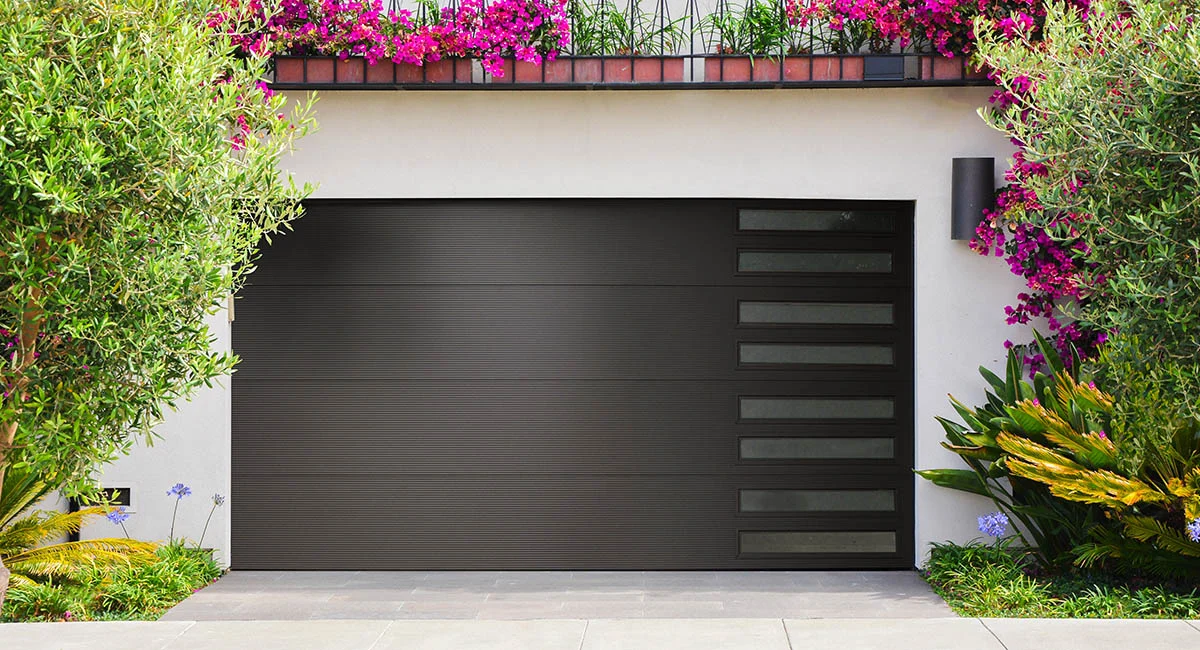
Garage door installation in Miami, FL typically ranges from $1,200 to $6,000, depending on door type, size, and installation conditions. Proper installation ensures safe operation, compliance with wind-load requirements, and long-term durability in Miami’s challenging climate.
Garage doors are used daily in both residential and commercial settings. In Miami, installations must address hurricane exposure, corrosive salt air, and frequent use. Properties vary from single-family homes and town homes to alley-access garages and multi-unit buildings, each requiring tailored door sizing, track configuration, and opener capacity.
Miami’s climate directly affects garage door performance. Heat accelerates spring fatigue, humidity impacts moving parts, and coastal exposure increases corrosion risk. Wind-load requirements and local codes also determine door selection, reinforcement, and installation methods.
As a local garage door contractor, we take a site-specific approach to each garage door installation. We assess the opening, structure, clearance, door weight, usage frequency, and environmental exposure before recommending a system. This ensures proper fit, safe operation, and long-term reliability.


Garage door installation costs in Miami depend on the type of door, chosen materials, and specific structural needs.
| Garage Door Type | Typical Installed Cost |
|---|---|
| Standard sectional | $1,200 – $3,500 |
| Insulated garage door | $2,000 – $5,000 |
| Wind-rated garage door | $3,000 – $6,000+ |
| Commercial roll-up door | $2,500 – $8,000 |
Key cost factors include:
Accurate pricing requires an on-site assessment of the opening, structure, and installation conditions.
Our garage door installation service aligns with your property goals by combining your design preferences with our technical expertise. We assess the opening, structure, and operating conditions to ensure our recommendations are practical, safe, and durable.
We handle door and hardware selection, spring system sizing, track and cable installation, opener integration, and safety configuration for long-term reliability. Each system is installed, adjusted, and tested to ensure smooth operation, safety compliance, and dependable performance in daily use and Florida’s climate.
Choosing the correct garage door type affects safety, durability, and daily performance. Door opening size, ceiling clearance, usage frequency, and environmental exposure determine which system will operate reliably. We install several types of garage doors, each suited to specific property conditions and operating demands.

Sectional garage doors are the most common choice for residential properties. These doors suit homes with standard ceiling clearance and attached garages. If you need adaptable materials, insulation, or opener configurations, sectional doors offer options for both basic and upgraded installations.

Roll-up garage doors are appropriate when you have limited overhead space or need a door for commercial buildings, service bays, or storage facilities. Choose this type if your property requires durability and frequent operation, as roll-up systems are designed for higher cycle use.

Each garage door system is selected based on structural requirements, operating conditions, and long-term performance expectations rather than appearance alone.
Discover the ideal garage door for your needs and explore our comprehensive range of styles, materials, and services. Take the next step toward a safer, more reliable garage door solution: View all garage door types and services.
A garage door works as a balanced system. Size, install, and align each part properly to ensure safe movement. Using the wrong or mismatched parts will cause early failure of other components.
Garage doors use torsion or extension springs to counterbalance the door’s weight. Choose the correct spring size for consistent movement and to prevent strain on openers. Avoid springs that are too weak or overstressed, as they increase safety risks.
Lift cables support the door, and rollers guide it along the tracks. Proper track alignment and roller quality ensure smooth, quiet movement. Square and tension these parts to prevent binding or derailment.
Panels and hinges support the door’s weight and movement. Reinforced hinges and properly secured panels maintain structural integrity, especially on wide or heavy doors.
Garage door openers provide controlled movement and safety monitoring. Common types include chain drive, belt drive, and wall-mounted systems. Opener selection depends on door weight, usage frequency, mounting conditions, and noise sensitivity. Smart openers add monitoring and remote access but still require proper mechanical setup to operate safely.
Install photo sensors, set force limits, and test auto-reverse systems to prevent accidents. Position, wire, and test each safety component for correct operation.A properly installed system distributes load evenly, operates smoothly, and reduces long-term stress on individual components.
Proper garage door installation for your home or business involves more than attaching panels and a motor. You need every step completed in order to keep your system safe, balanced, and reliable over time.
This process ensures the garage door system is safe, meets manufacturer standards, and performs consistently.
Garage door installation in Miami varies depending on the property type and layout.
Single-family homes need doors suited to attached garages with standard or limited clearance. Townhomes benefit from compact designs that align with uniform layouts. Waterfront properties require corrosion-resistant materials to withstand salt air. Commercial properties need high-cycle doors for frequent use and larger openings.
Environmental factors impact installation. Heat and humidity accelerate wear on springs and moving parts. Coastal exposure raises corrosion risk. Wind-load requirements dictate which doors are suitable for specific areas.
Local regulations and HOA guidelines may specify acceptable materials, appearance, and structural standards. Reviewing these requirements early helps prevent delays and ensures compliance.
Florida enforces strict safety and construction codes for garage doors to protect residents and property. These regulations minimize injuries, improve reliability, and set requirements for doors, hardware, and openers.
All garage doors must have functional sensors to prevent closing when an object is detected. Springs must be properly rated for the door’s weight. Tracks and supporting parts must be securely fastened for regular use. Openers must operate safely and require only moderate force.
Depending on location and building type, Florida garage doors may need to withstand strong winds or impacts. Inspections are conducted as required to ensure compliance.
Adhering to these codes ensures garage doors function safely, legally, and dependably in Florida.
Garage door openers control how the door moves, stops, and responds to safety inputs. Selecting the correct opener depends on door weight, usage frequency, mounting conditions, and noise considerations. Automation features add convenience, but proper mechanical compatibility remains the priority.
Chain-drive openers use a metal chain to lift the door. They are durable, suitable for standard residential and light commercial use, and handle heavier doors well, though they generate more noise.
Belt drive openers use a reinforced belt for quieter operation. They are preferred for attached garages or areas where noise reduction is essential. Ensure the door remains properly balanced for reliable performance.
Wall-mounted openers are installed beside the garage door, preserving overhead space. They are ideal for garages with limited ceiling clearance or high-lift tracks. Accurate setup and compatible hardware are required for proper installation.
Smart openers offer remote monitoring, alerts, and control through mobile devices. These features improve access management but do not replace the need for correct door balance, proper spring sizing, and accurate safety system setup.
For any opener type, ensure proper installation, correct force settings, and precise alignment of safety sensors to maintain safe and reliable operation.


If you plan to install a garage door in Miami, begin with a site evaluation. This step ensures accurate sizing, safe operation, and compliance with local regulations.
Contact us or complete the form to request a free on-site estimate and review installation options for your residential or commercial property.
(786) 780-2880
No Obligation Consultation
Contact Us
Call Now!
(786) 780-2880
info@sunny
automaticgatesfl.com
Our Location
Miami ,FL
Contact Form