Need any help?

(786) 780-2880

Barrier Arms

Automatic barrier arm controlling vehicle entry

Automatic Barrier Arm Gate Installation in Florida

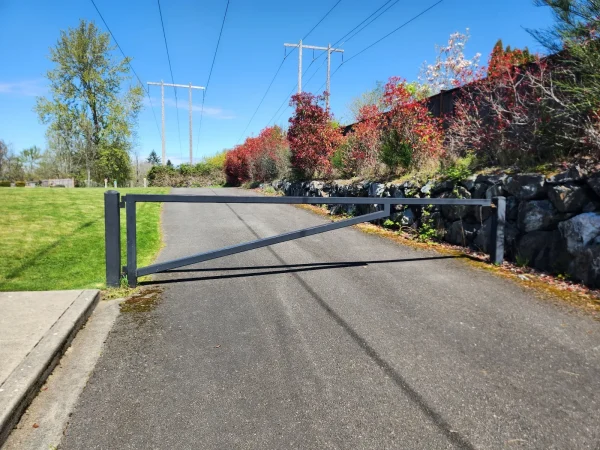
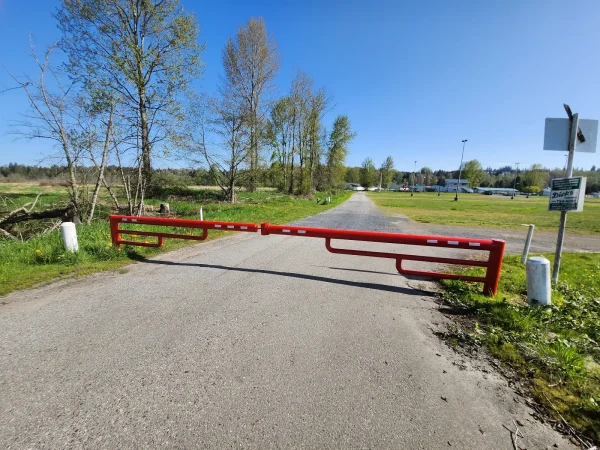
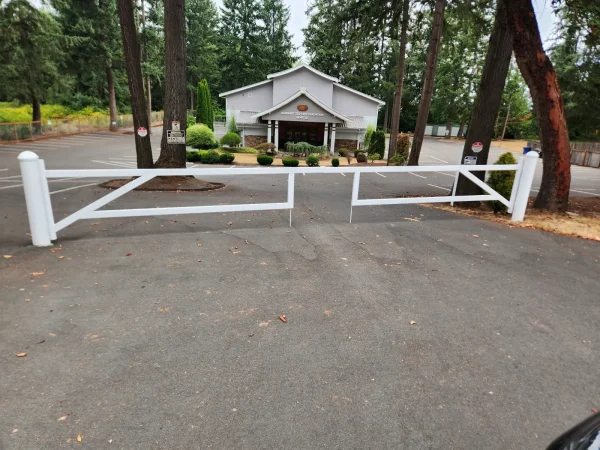
Barrier arm gates, also called boom gates or parking gate arms, manage vehicle access without the need for a full sliding or swing gate. In Florida, they are commonly used in parking lots, gated communities, commercial properties, industrial yards, and controlled traffic lanes where regulating entry is more important than complete enclosure.
 
Proper system sizing and operator class are essential for long-term reliability when installing, replacing, or upgrading a parking gate. Incorrect specifications can lead to overheating, premature wear, and frequent service calls, even though barrier arms may appear simple.
 
At Sunny Automatic Gates FL, we plan barrier arm systems as part of a comprehensive access strategy. This includes evaluating traffic volume, access methods, storm exposure, drainage, and maintenance needs. Undersized or poorly protected barrier arms are prone to early failure, which proper planning helps prevent.

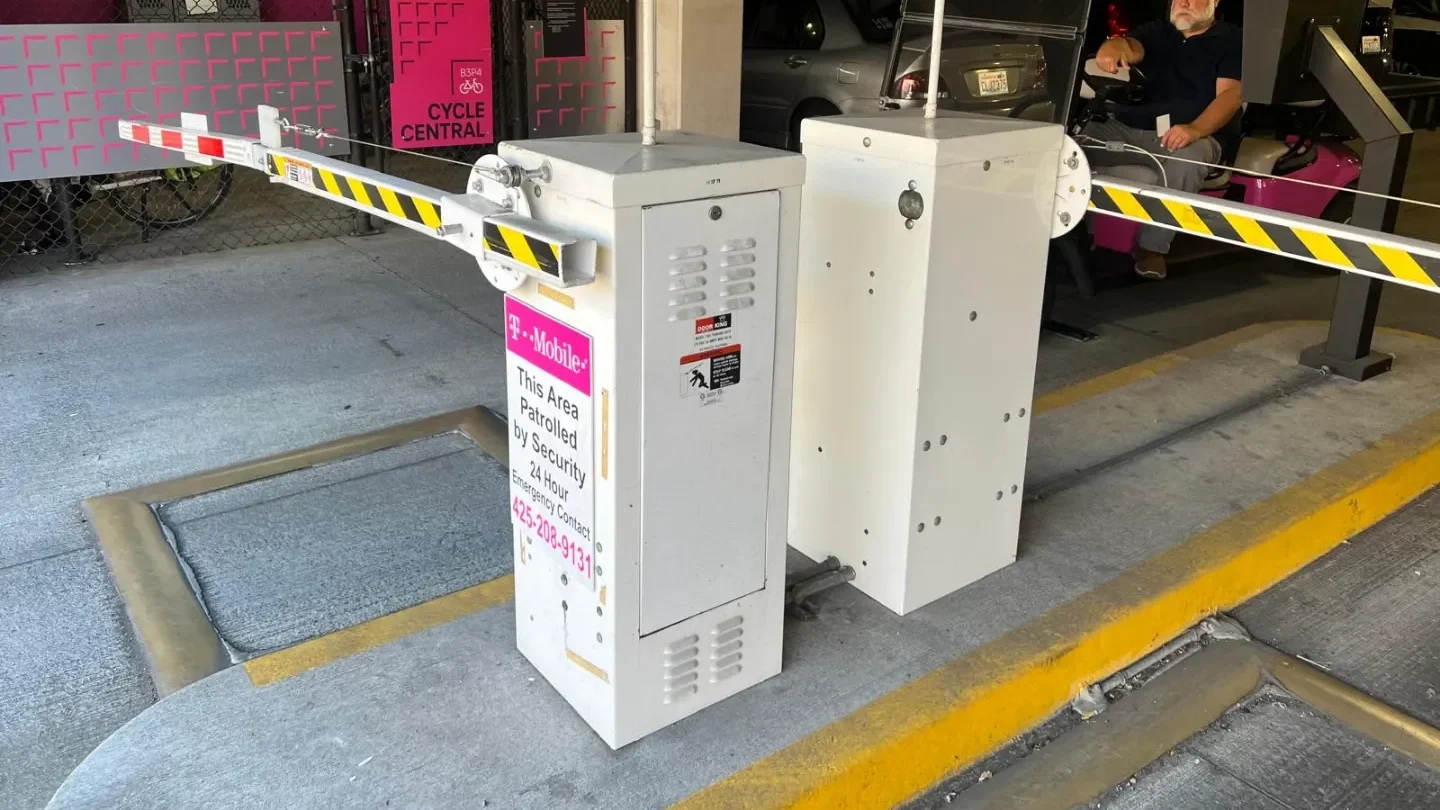
How a Barrier Arm Gate System Works

A barrier gate system consists of a motorized operator cabinet and a horizontal arm that raises and lowers to control vehicles. The operator manages arm speed, hold-open timing, and detection response, which must align with actual traffic patterns. Unlike sliding or swing gates, barrier arms direct traffic instead of fully closing the property.
 
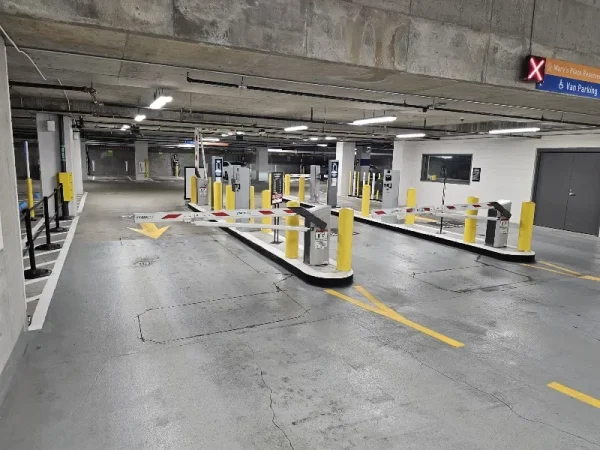
Entry and exit are managed through integrated access systems, including keypads, RFID tags, card readers, license plate recognition, ticketing, or smartphone credentials. For high-traffic sites, vehicle detection loops in the pavement ensure smooth outbound flow. We often pair exit loop sensor systems with barrier arms to minimize unnecessary stops and reduce tailgating.

What Happens During a Proper Barrier Arm Installation

Barrier arm installation starts with a thorough site and traffic evaluation. While barrier arms appear simple, their performance depends on proper layout, operator classification, and environmental planning. This process ensures the barrier gate system matches the property’s actual conditions, not just the opening width.
 
During a professional installation, we complete the following steps:

Selecting the Right Barrier Arm for Florida Conditions

Barrier arms must be selected based on the environment. Operator duty cycle, arm length, wind exposure, and daily cycle count should be evaluated together. Florida properties face unique challenges, including heat, coastal corrosion, storms, and frequent power outages.

Standard Automatic Barrier Arms

Standard automatic barrier arms suit low- to moderate-traffic properties, including private parking areas, small residential communities, and staff-only entrances. They are designed for predictable daily cycles and controlled use.

High Cycle Barrier Arm Gates

Commercial parking lots, retail centers, parking garages, and distribution facilities require high-cycle operators. These systems are built to operate hundreds or thousands of times daily without overheating or premature wear. In Florida, operator duty rating is more important than cosmetic features.

Reinforced and Wishbone Barrier Arms

Longer arms or higher traffic frequency require reinforced barrier arms for added stability. These are often used for wide entrances or commercial drive lanes to reduce vibration and wear.

Crash Rated and Anti-Ram Barrier Systems

Crash barrier gates and anti-crash vehicle barrier systems are designed to resist vehicle impact and are typically used at sensitive facilities. They require reinforced foundations and a detailed engineering review before installation. If perimeter hardening is needed, we assess whether a crash-rated barrier or a heavy-duty sliding gate is most appropriate.
 
For properties requiring full closure, we compare barrier arms with automatic sliding gate systems to identify the best long-term solution.
Crash rated traffic gates in florida

Residential vs Commercial Barrier Gate Planning

Barrier arms serve different functions depending on the property type.

Homeowners Associations and Gated Communities

In HOAs, barrier arms typically manage guest access or secondary vehicle lanes. They are often paired with keypad or RFID systems and may operate with a primary automatic gate. In these settings, consistent daily performance and simple user experience are the priority.
 
Coastal communities in Miami-Dade, Broward, and Palm Beach require corrosion-resistant finishes and sealed operator cabinets to withstand salt air exposure.

Commercial and Industrial Properties

Warehouses, office complexes, distribution hubs, and parking structures require higher cycle ratings and integrated credential systems. Effective traffic flow design is critical, as improper placement can cause congestion or unsafe turns. We integrate barrier arms with gate automation systems for coordinated control across multiple entry points.
 
In distribution and logistics facilities, barrier arms are part of a layered access plan that separates employee and delivery traffic. Parking gate systems must be calibrated to prevent congestion during shift changes and peak hours. Incorrect cycle timing can create operational bottlenecks.
 
Cycle count, duty rating, and maintenance access are key planning factors for commercial installations. Improperly rated equipment often fails gradually under load, making correct initial specification essential.

Safety and Compliance Considerations

Barrier arms require proper safety measures. Vehicle detection loops, photoelectric sensors, and calibrated timing help prevent vehicle contact. For high-traffic sites, loop configurations are adjusted for vehicle stacking and peak congestion.
 
We review emergency access and manual override capabilities during planning, especially for sites with municipal requirements. We also consider power-loss scenarios to ensure barrier arm operation remains predictable during outages.
 
If an existing barrier arm shows repeated failure or detection issues, our automatic gate repair services can determine whether the issue is mechanical wear, electrical damage, or incorrect system sizing.
 
Arm visibility and approach design are critical. Reflective striping, breakaway features, and proper lane marking help prevent accidental impacts. In high-traffic areas, exit loop timing should account for vehicle stacking to avoid premature arm drops. Safety planning also considers traffic behavior and physical layout.

Common Barrier Arm Problems in Florida

Most barrier arm failures result from improper sizing, environmental exposure, or incomplete planning, rather than defective equipment. Florida’s heat, salt air, and heavy rain can worsen these issues by increasing motor strain, accelerating corrosion, and revealing drainage weaknesses.
 
Common preventable issues include:
  • Operator overheating when a low-duty motor is installed in a high-cycle commercial environment
  • Premature cabinet corrosion in coastal areas, where finishes and enclosures were not specified for salt exposure
  • Loop detector failure caused by poor drainage and water intrusion into the underground conduit
  • Arm misalignment after vehicle contact when protective bollards or clear striping were not considered
  • Erratic open and close timing due to improper calibration during initial setup
  • Electrical faults from moisture buildup inside unsealed enclosures
 
Routine servicing through our automatic gate maintenance programs reduces these risks. We inspect springs, drive assemblies, detection systems, wiring, and cabinet seals to prevent minor wear from turning into operational downtime.

When Should You Repair or Replace a Barrier Arm Gate?

Many barrier arm systems can be repaired, but not all failures warrant continued service.
 
Repair may be appropriate when:
  • Springs or counterbalance components are worn.
  • Detection loops require recalibration.
  • Control boards need to be replaced due to surge damage.
  • Minor structural alignment corrections are needed.
 
Replacement is often the better option when:
  • The operator is undersized for the current traffic cycle count.
  • Cabinet corrosion compromises structural integrity.
  • The arm length was improperly specified.
  • Repeated motor overheating continues after repair.
  • The system lacks modern safety or credential integration.
 
If a barrier arm was installed for low traffic and the property has grown, upgrading to a properly rated automatic barrier gate system can reduce long-term costs and operational disruptions.

How Much Does a Barrier Arm Gate Cost in Florida?

Barrier arm gate costs depend on system class and site requirements.
 
Entry-level manual barrier arms for small lots differ significantly from high-cycle automatic barrier gates for commercial parking structures. Costs are driven more by system class than arm length. Continuous commercial use requires a different operator class than low-traffic residential applications.
 
Primary cost factors include:
  • Operator class and duty rating
  • Arm length and configuration
  • Access control integration level
  • Vehicle detection and safety device requirements
  • Electrical routing and trenching
  • Foundation depth and cabinet mounting conditions
  • Backup power systems for outage resilience
  • Wind exposure and structural reinforcement needs
 
In regions such as Tampa, Jacksonville, and coastal South Florida, storm exposure and corrosion resistance may influence equipment selection and overall cost.
 
An on-site evaluation helps us determine the correct operator class, foundation requirements, and integration scope, ensuring pricing reflects long-term reliability rather than short-term savings.

Plan Your Barrier Arm Installation in Florida

Barrier arms may seem simple, but their performance depends on correct operator class, environmental protection, and traffic calibration. Traffic volume, environmental exposure, detection layout, and integration all affect long-term reliability.
 
If you are planning a new parking gate arm, upgrading an existing system, or integrating a barrier arm with broader access control, schedule an on-site evaluation with Sunny Automatic Gates FL to determine the right system class and configuration for your property.

Call Now!

(786) 780-2880

Get Your Free Quote

No Obligation Consultation

Barrier Arm Gate Installation FAQs

What is a barrier arm?

A barrier arm is a motorized traffic control device that raises and lowers a horizontal arm to regulate vehicle entry and exit. It is commonly used in parking lots, gated communities, commercial entrances, and controlled access lanes where traffic management is required but full perimeter closure is not necessary.
Yes. The terms boom barrier, boom gate, and barrier arm refer to the same type of system. All describe a horizontal arm that lifts to allow vehicles through and lowers to restrict access. The terminology varies by region and manufacturer, but the function is the same.
The lifespan of a barrier arm depends on operator class, traffic volume, environmental exposure, and maintenance. In Florida, heat, humidity, and salt air can shorten service life if the system is not properly specified. A correctly sized high-cycle commercial barrier arm with routine maintenance can operate reliably for many years.
Yes. Many automatic barrier arms can operate with solar power when traffic volume and duty cycle are appropriate. Solar-powered systems are often used in remote locations or areas without convenient electrical access. In Florida, solar integration must account for battery storage capacity and storm resilience to ensure reliable performance during cloudy or high-demand periods.
Common problems with outdoor barrier arms and gate systems include motor overheating from undersized operators, corrosion from coastal exposure, detection loop failure due to drainage issues, and misalignment from vehicle contact. In Florida, moisture intrusion and heat-related wear are frequent causes of electrical and mechanical failure when systems are not properly protected.
Gate motor repair cost depends on the type of operator, extent of damage, and availability of replacement parts. Minor electrical repairs or board replacements are typically less costly than full motor replacements. If a motor repeatedly overheats or is undersized for current traffic demand, replacing the operator with a properly rated system may be more cost-effective long term.
The purpose of a barrier arm is to control and regulate vehicle access. It helps manage traffic flow, restrict unauthorized entry, and create accountability at access points. In commercial and residential settings, barrier arms provide structured entry control without the footprint or cost of a full sliding or swing gate system.

Reach Out to Us