
(786) 780-2880
(786) 780-2880
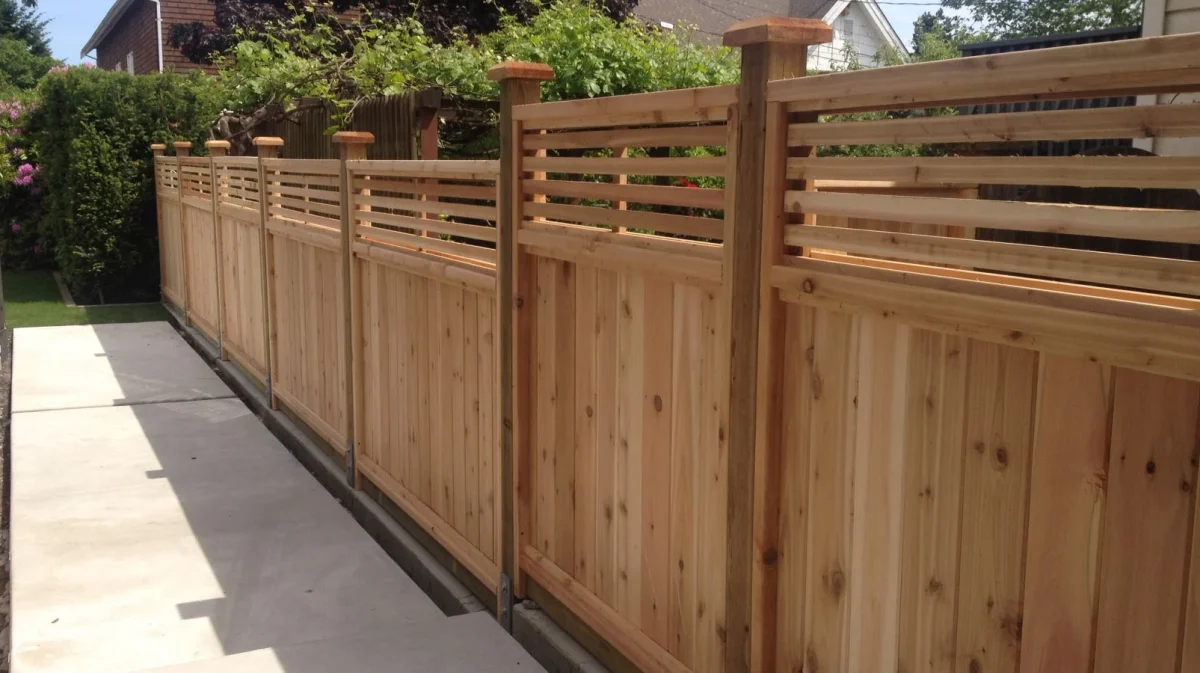
Fence installation in Miami requires careful planning to address property layout, boundary lines, and long-term exposure to South Florida conditions. Homes across the city range from single-family residences and townhomes to waterfront and multi-unit properties, each with unique privacy, security, and access needs. A fence suitable for one setting may not perform as well in another without proper design and installation.
Miami’s climate directly affects fence durability. Heat and humidity can weaken wood, and salt air speeds up metal corrosion. Wind and storms require attention to post depth, spacing, and strength. HOA rules and local regulations also determine fence height, materials, and placement.
As a local fence company, we take a site-specific approach to every Miami installation. We evaluate property lines, ground conditions, panel options, and installation requirements before recommending a solution. This ensures each fence is properly aligned, structurally sound, and suited to both the property and Miami’s environment.
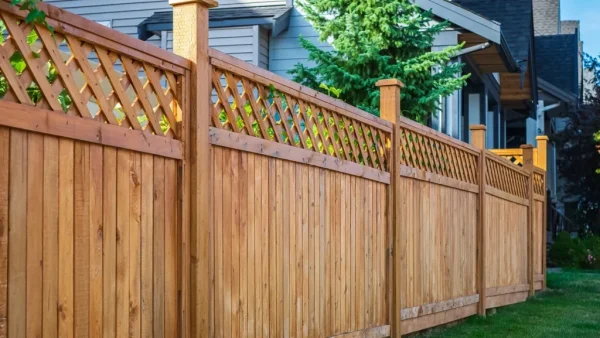
Fence installation in Miami typically ranges from $2,500 to $10,000 depending on material, property size, and site conditions. Costs vary based on labor, permitting, and environmental exposure across Miami-Dade County.
| Fence Type | Typical Cost Per Linear Foot |
|---|---|
| Chain link | $15 – $35 |
| Wood | $25 – $60 |
| Vinyl | $30 – $70 |
| Aluminum | $35 – $80 |
Several factors influence final cost:
Accurate pricing requires an on-site evaluation to measure layout, confirm boundaries, and assess installation conditions.
Our fence installation service focuses on your privacy, security, and aesthetic preferences through careful planning and precise execution. We work with you to choose the style, height, and materials, ensuring proper placement and construction for your property and long-term durability.
We manage site layout, material selection, post setting, panel installation, and hardware integration to ensure straight lines, secure anchoring, and a consistent finish. After installation, we inspect each fence to confirm alignment, stability, and reliable performance in daily use and Florida’s climate.
Selecting the appropriate fence impacts privacy, security, maintenance, and durability. Factors such as property layout, intended use, and environmental conditions determine the best option. We offer several fence types to meet a range of requirements.
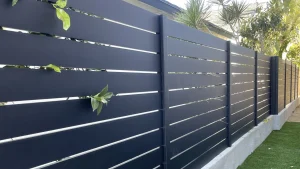
Aluminum fencing is used for perimeter security, pool enclosures, and decorative boundaries. It is corrosion-resistant, low-maintenance, and structurally stable, providing visibility while clearly defining property lines.
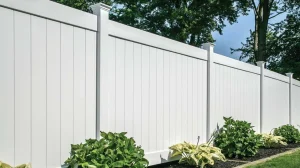
Vinyl fencing is chosen for privacy and minimal maintenance. Solid and semi-private panels block visibility and reduce noise, making vinyl ideal for residential properties that prioritize privacy.
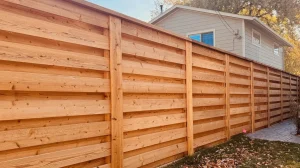
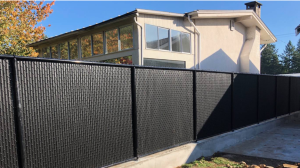
Chain link fencing is a practical choice for securing properties, defining boundaries, and enclosing yards or commercial areas. It offers durability, cost efficiency, and visibility, with available coated finishes and privacy slats.
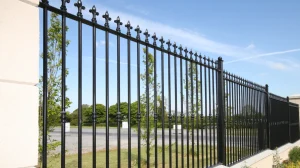
Wrought iron and steel fencing offer strength and security with a traditional appearance. They are often used for front boundaries, commercial properties, and locations requiring durability and controlled access.
Each fence system is chosen for its structural requirements, intended use, and long-term performance, not appearance alone.
Proper fence installation follows a defined sequence to ensure the fence is straight, secure, and durable. Each step focuses on layout, structure, and material handling.
We inspect the property, confirm fence lines, measure distances, and assess terrain conditions. This step ensures accurate placement and alignment before installation begins.
We mark fence lines, space post locations, and plan access points to ensure consistent spacing and correct gate placement.
Posts are set to the correct depth and secured using footing methods suited to the soil and fence type. Proper post installation is essential for long-term stability.
Fence panels, rails, or pickets are installed with consistent spacing and securely fastened to maintain structural integrity and a uniform appearance.
If gates are included, hinges, latches, and hardware are installed and adjusted for smooth operation and proper alignment.
After installation, we verify fence alignment, gate function, and overall finish. We then provide a walkthrough to review usage and basic care.
This process ensures fence installations are accurate, compliant, and reliable over time.
Fence installation in Miami requires careful planning. Single-family homes, townhomes, waterfront residences, and commercial sites each have distinct boundary and access requirements. Lot size, setbacks, and existing structures influence fence placement and post spacing.
Miami’s climate affects fence durability. Heat and humidity accelerate wood deterioration, and salt air increases corrosion risk for metal components. Wind and storms require adjustments to fence height, post depth, and reinforcement, especially in open or coastal areas.
Many Miami neighborhoods have HOAs that regulate fence height, material, color, and visibility. Permits or approvals may also be required before installation. Addressing these requirements early helps prevent delays and ensures compliance.
Careful consideration of property layout, environmental exposure, and local regulations helps ensure fence systems remain secure, properly aligned, and durable in Miami’s conditions.
Fence installation in Miami must comply with local regulations regarding placement and construction. Property lines, setback requirements, and height limits differ by zoning and neighborhood. Confirm property boundaries before installation to avoid disputes and compliance issues.
Many Miami residential communities are governed by homeowner associations. HOA rules often specify fence height, materials, color, visibility, and placement, especially for front yards or properties near shared spaces. Approval is usually required before installation.
Permit requirements depend on fence height, location, and property type. Some projects require permits or inspections to meet local standards. Obtain permits and approvals early to avoid delays and ensure compliance.
Addressing these factors in advance supports a smooth installation process and compliance with Miami regulations.
Fence systems establish property boundaries and manage access. Gate locations and configurations are determined by property layout, traffic patterns, and access control requirements.
Fence installations provide a range of access and security solutions.
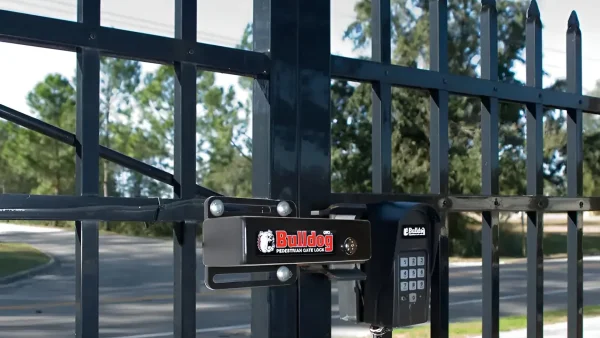
Pedestrian gates manage foot traffic and preserve fence integrity. Common applications include residential yards, pool enclosures, side paths, and commercial walkways. Gate width, swing direction, and latch placement are selected for convenience and safety.
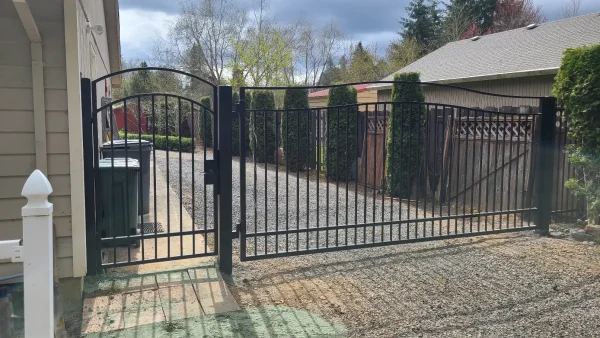
Vehicle gates provide controlled driveway access and may be manual or automation-ready. Gate size, hinge strength, and reinforcement are chosen to accommodate vehicle use and maintain alignment over time.
Fence gates may feature keyed locks, coded latches, or secure closing mechanisms. Hardware is selected for security, frequency of use, and weather resistance. Proper installation ensures reliable operation.
Panel spacing, height, and material determine fence privacy and visibility. Options such as solid panels, slats, or decorative spacing are selected to meet privacy, security, or aesthetic goals.
For properties with pools or shared spaces, gates may include self-closing hinges, self-latching hardware, or height restrictions to comply with safety standards. These features help prevent unauthorized access while ensuring ease of use.
Fence gates and access components are integrated for proper alignment, smooth operation, and durability. Careful planning and installation enhance perimeter security and ensure reliable performance for residential and commercial properties.

Most residential fences are installed in one to three days, depending on length, material, and site conditions. Larger or more complex projects may take longer.
Fence repair addresses specific issues such as damaged panels, loose posts, or hardware problems. Replacement is recommended for widespread deterioration, structural instability, or if the fence no longer meets your needs.
Fence height limits depend on property type and local regulations. Standard residential fences are usually four to six feet tall, with different requirements for front and backyard fences.
Some fence installations in Miami require permits based on height, location, and zoning. Confirm permit requirements before installation to prevent delays or compliance issues.
Yes. Many Miami neighborhoods have HOAs that regulate fence material, height, color, and placement. Approval is often required before installation, especially for visible or front yard fences.
If you are planning a new fence installation in Miami, start with a thorough site review. Consider fence layout, material selection, property lines, and local regulations, as these factors affect installation and long-term performance.
Contact us or complete the form to request a free on-site evaluation or to discuss installation options for your residential or commercial property.
(786) 780-2880
No Obligation Consultation
Contact Us
Call Now!
(786) 780-2880
info@sunny
automaticgatesfl.com
Our Location
Miami ,FL
Contact Form