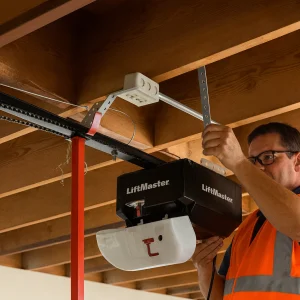
Automatic gates often fail to open due to power interruptions, signal problems, misaligned sensors, mechanical wear, or obstructions. In Florida, humidity, corrosion, storms, and outages can also disrupt gate electronics, motors, and access components.
Automatic driveway gates rely on mechanical, electrical, and access control components. If any component fails, the gate may not open.
Recognizing common causes helps property owners identify issues and decide when to seek professional service.
Common Reasons an Automatic Gate Won’t Open
All components of an automatic gate system must function together. If one fails, the gate may not operate.
The most common causes include:
• Loss of electrical power
• Dead remote control batteries
• Misaligned safety sensors
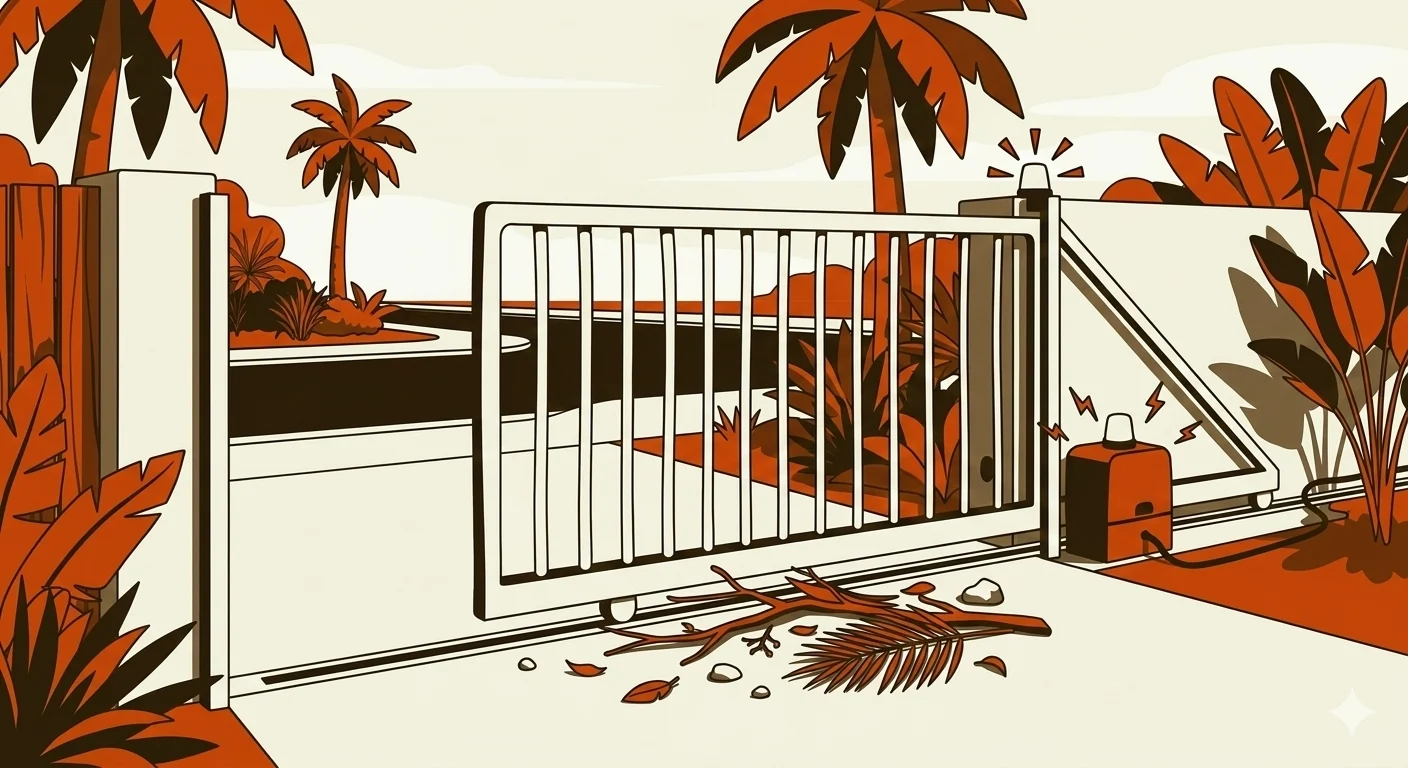
• Obstructions in the gate track or swing path
• Mechanical wear on hinges, rollers, or gears
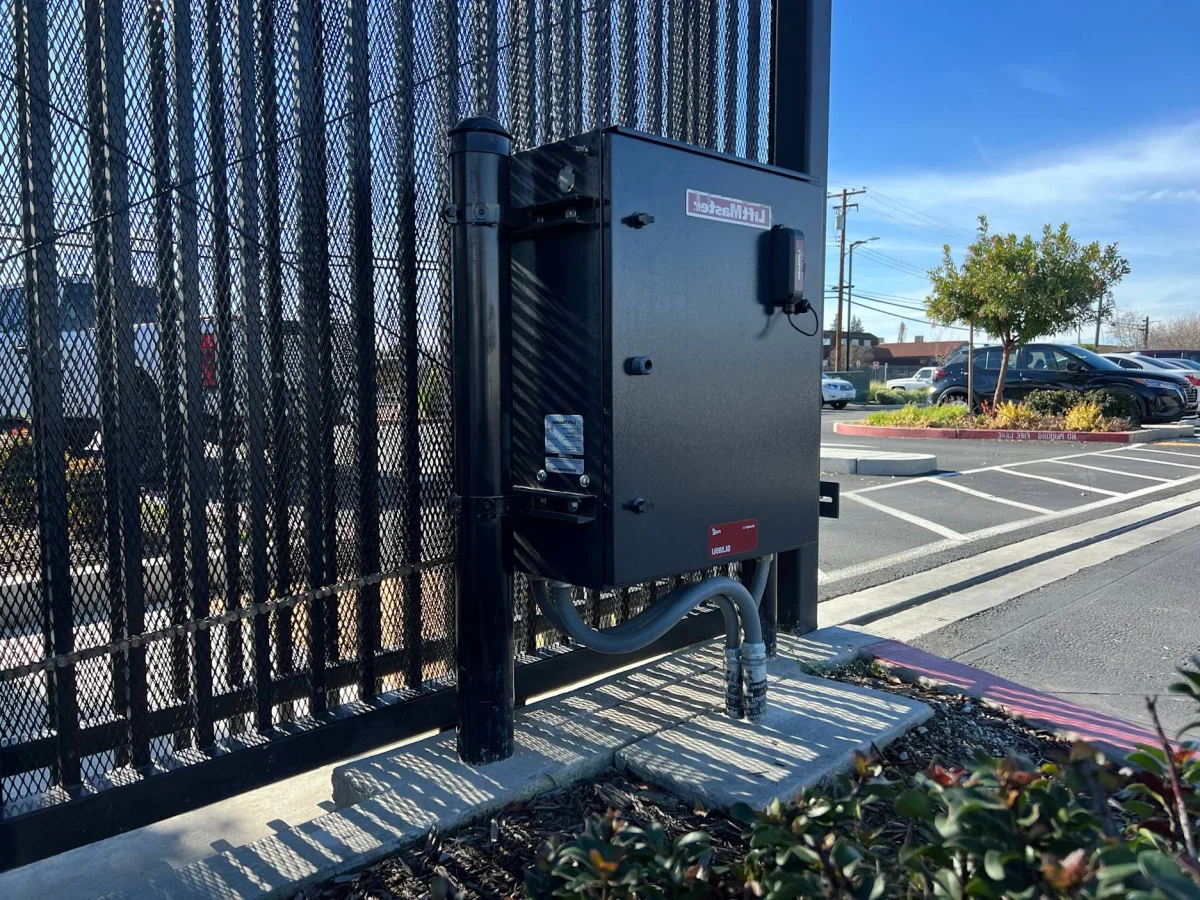
• Motor or control board failure
Many homeowners assume a broken motor is to blame when the gate stops working. However, minor issues like sensor failures, wiring problems, or remote signal issues are often the cause.
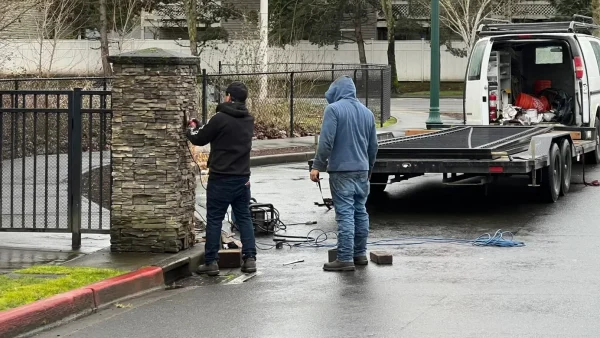
If the gate does not respond after basic checks, a technician may need to inspect the operator and electronics. Professional troubleshooting is typically required in these situations, which is why property owners often schedule service through a specialist in
automatic gate repair.
Power Supply and Electrical Problems
A power outage is one of the most common reasons an automatic gate will not open.
Gate operators require stable electrical power. Without it, the control board cannot operate the motor.
Common electrical issues include:
• Tripped circuit breakers
• Blown fuses
• Damaged wiring
• Dead backup batteries
• Power outages during storms
Florida properties often experience electrical disruptions from lightning, storms, and grid outages. In these cases, many gate operators switch to battery backup systems.
If the backup battery is old or depleted, the gate may stop functioning entirely.
Modern systems typically include battery backups and surge protection as part of a professional
automatic gate installation system designed for Florida weather conditions.
Remote Control or Access System Not Responding
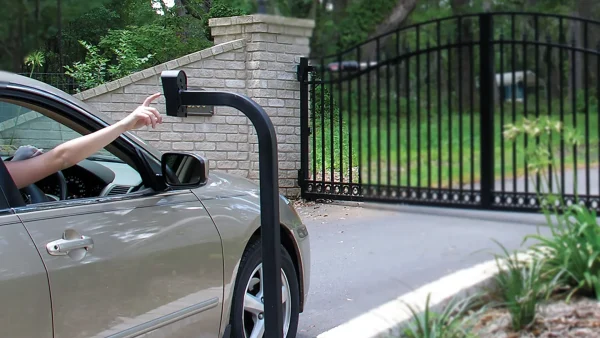
Communication failures between the gate and the access device are another common reason a gate will not open.
This can include:
• Remote transmitters
• Keypads
• smartphone access systems
• card or fob readers
• vehicle detection sensors
If the remote control battery is dead or the signal is weak, the gate operator will not receive the open command.
Integrated access control systems may use intercoms, keypads, or mobile apps. If these systems malfunction, the gate may remain closed even if the mechanical components are functional.
For example, properties with
keypad systems may require maintenance or repair if entry codes no longer trigger the gate.
Safety Sensors Blocking the Gate
Modern automatic gates include safety sensors that prevent movement when an obstruction is detected.
These sensors protect vehicles, pedestrians, and property. If they become misaligned or dirty, the gate may not open.
Common sensor issues include:
• Dust or debris on the sensor lens
• Misalignment between transmitter and receiver
• Wiring problems
• Sun glare interfering with the beam
Florida’s environment creates additional challenges. High humidity, insects, and wind-driven debris can interfere with safety sensors.
When this occurs, the system interprets it as an obstruction and prevents the gate from opening.
Mechanical Problems With the Gate System
Automatic gates have moving parts that wear over time.
If these parts fail, the motor may run, but the gate will not move.
Mechanical issues may involve:
• Worn rollers
• Bent gate tracks
• Rusted hinges
• Broken chains or gears
• Loose mounting hardware
Florida’s coastal air and humidity accelerate corrosion on metal components. Without regular maintenance, hinges and rollers may seize or bind.
Sliding gates are especially vulnerable because debris, sand, and small rocks can accumulate in the track, preventing movement.
Technicians often diagnose these issues during inspections of the gate opener system or mechanical assembly.
Professional technicians inspect both the mechanical gate hardware and the operator system, including those serviced by
Gate Opener Repair.
Gate Operator or Control Board Failure
The gate operator motor physically moves the gate.
If the motor or control board fails, the gate will not respond to commands.
Potential operator failures include:
• Burned circuit boards
• Motor overheating
• Failed limit switches
• Damaged capacitors
• Water intrusion into the operator housing
Electronic components are sensitive to moisture and heat. In Florida, humidity and heavy rain can damage gate operator systems that are not properly sealed.
Storm-related power surges can also damage the control board.
If the operator fails completely, the motor assembly may require replacement or repair.
Environmental Causes in Florida
Automatic gates in Florida must endure demanding conditions.
Weather and climate contribute to gate failures in several ways.
Environmental factors include:
• Salt air corrosion near coastal areas
• Storm debris blocking tracks or hinges
• High humidity affecting electrical components
• Soil movement affecting gate alignment
• Wind pressure on large gates
Heavy rain can affect drainage around gate posts or the motor foundation. If the soil shifts, gate alignment may change, disrupting movement.
Wind-load certified gate systems and reinforced installations help prevent these issues when professionally installed.
When to Call a Gate Repair Technician
Some automatic gate problems are minor, while others require professional inspection.
A technician should evaluate the gate if:
• The motor runs, but the gate does not move
• The gate stops halfway during operation
• The remote control stops working completely
• The gate repeatedly reverses direction
• Electrical components show signs of damage
Automatic gate systems include electrical wiring, heavy moving parts, and safety sensors. Improper repairs can create safety hazards or cause additional damage.
Professional technicians can safely diagnose problems, inspect the system, and restore the gate to normal operation.
Frequently Asked Questions
What do you do if your automatic gate won’t open?
If an automatic gate will not open, check whether the property has power, inspect the remote control battery, and verify that no objects block the gate path. If the problem persists, it may involve the motor, sensors, or control board. A professional technician can diagnose and repair the system safely.
How to reset an electric gate?
Resetting an electric gate typically involves cycling power to the operator or using a reset button on the control board. However, procedures vary by gate operator model. Because improper resets can damage system settings, many property owners contact a gate technician for proper diagnostics.
How much does it cost to fix an electronic gate?
The cost to repair an electronic gate depends on the issue, the parts required, and the system’s complexity. Minor repairs, such as sensor adjustments, may cost less, while motor replacement or circuit board repairs can be more involved. A professional inspection is usually required to determine the exact repair cost.
Why is my electric gate not responding to the remote?
If a gate does not respond to the remote, the most common causes include dead batteries in the remote, signal interference, or problems with the receiver unit. The remote may also need reprogramming. In some cases, the issue originates from the gate operator or access control system.
Why does my automatic gate stop halfway?
Automatic gates may stop midway due to interference with safety sensors, mechanical resistance, or operator limit settings. The control board may interpret resistance as an obstruction and stop the gate for safety. Technicians typically inspect sensors, rollers, and the gate operator to determine the cause.
How long do automatic gate motors last?
Most automatic gate motors last between 10 and 15 years, depending on usage frequency, installation quality, and maintenance. Gates used in commercial or high-traffic properties may wear faster. Routine servicing helps extend the lifespan of the operator and mechanical components.
Can Florida weather damage automatic gates?
Yes. Florida weather conditions, such as humidity, salt air, storms, and power outages, can affect gate electronics and mechanical components. Corrosion, water intrusion, and electrical surges are common causes of gate failures in coastal and storm-prone areas.
Need Help Fixing an Automatic Gate That Won’t Open?
When an automatic gate stops responding, the cause is often electrical, mechanical, or related to the operator system. Identifying the exact problem usually requires testing the gate motor, control board, sensors, and access devices.
If your gate still will not open after checking the remote batteries, power supply, and visible obstructions, a professional inspection may be required.
Sunny Automatic Gates FL provides diagnostic and repair services for residential and commercial gate systems throughout Florida. Our technicians inspect the operator, safety devices, access control equipment, and structural components to identify the issue and restore reliable operation.
If your gate is stuck closed, stops halfway, or does not respond to commands, scheduling professional service can prevent further damage and ensure safe operation.
Call (786) 780-2880 or contact our team to schedule a gate inspection and restore normal access to your property.