Need any help?

(786) 780-2880

Pedestrian Gates

Pedestrian gates installation service in florida

Pedestrian Gate Installation in Florida

Pedestrian gates control access within secured areas. In Florida, they are usually installed with driveway gates, perimeter fencing, and commercial entry systems to separate pedestrian and vehicle traffic while maintaining security.
 
At Sunny Automatic Gates FL, we plan pedestrian gate installations based on usage, structural conditions, and long-term performance. Florida’s humidity, salt exposure, soil movement, and heavy rainfall can affect hinge alignment, post stability, and lock reliability. Without proper footing, reinforced framing, and corrosion-resistant hardware, gates may sag or misalign prematurely.
 
We prioritize stability over appearance in every installation.

How Pedestrian Gates Fit Into a Complete Access System

Pedestrian gates are most effective when integrated into a coordinated perimeter plan rather than used as standalone additions.
 
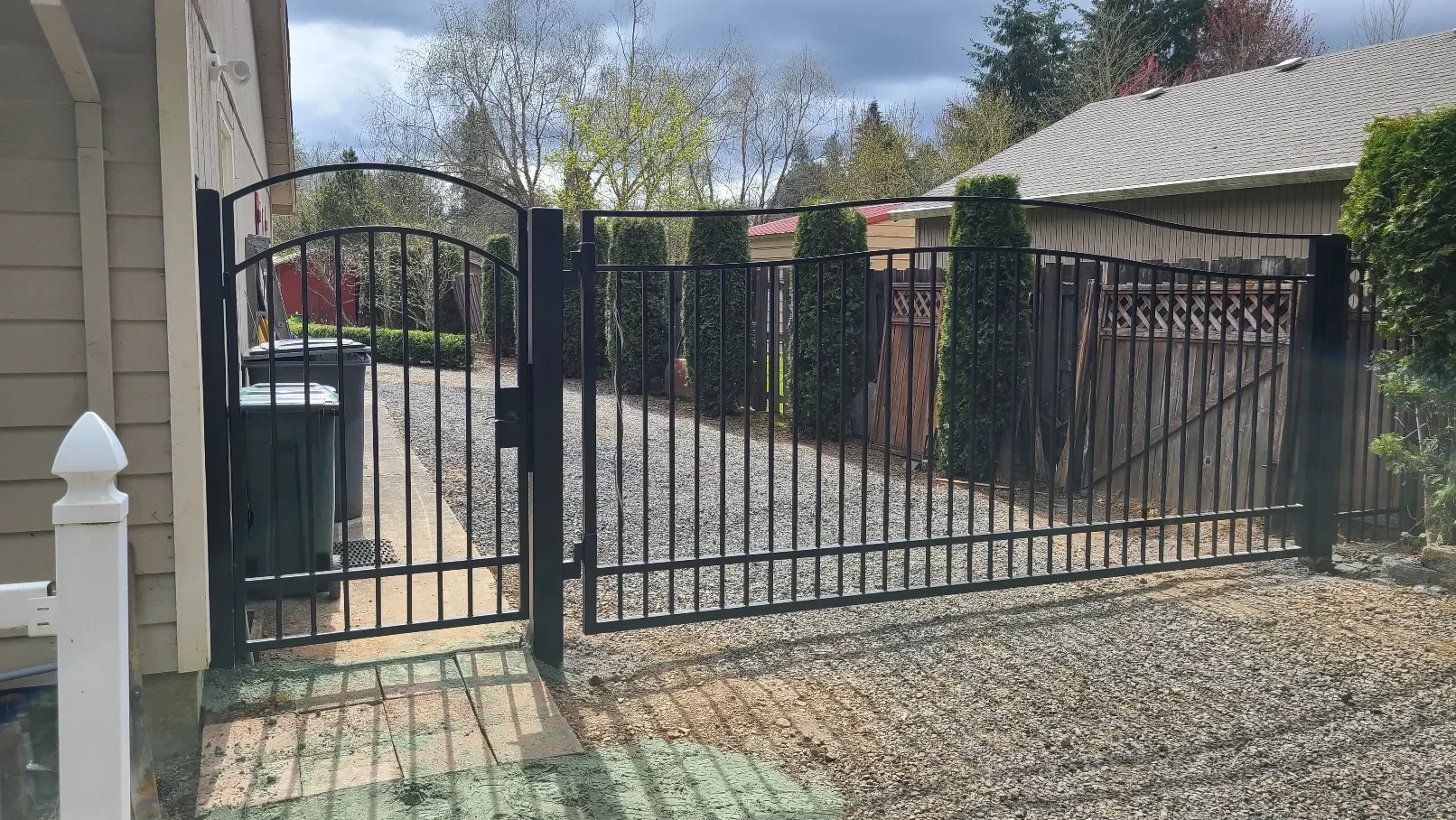
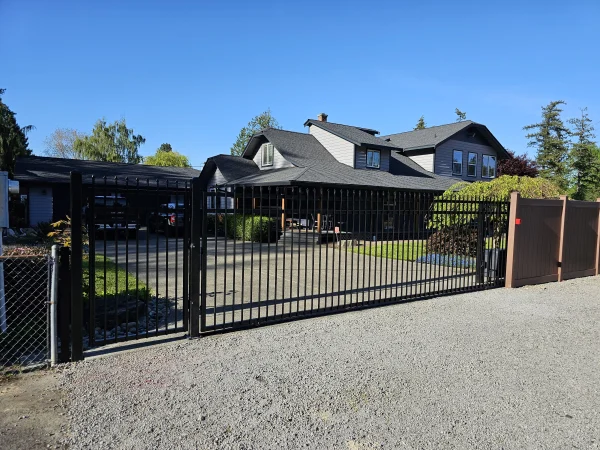
In residential settings, pedestrian gates are often installed next to automatic gates to allow daily walk-through access without activating the vehicle operator. This reduces motor wear and extends the lifespan of the automation system.
 
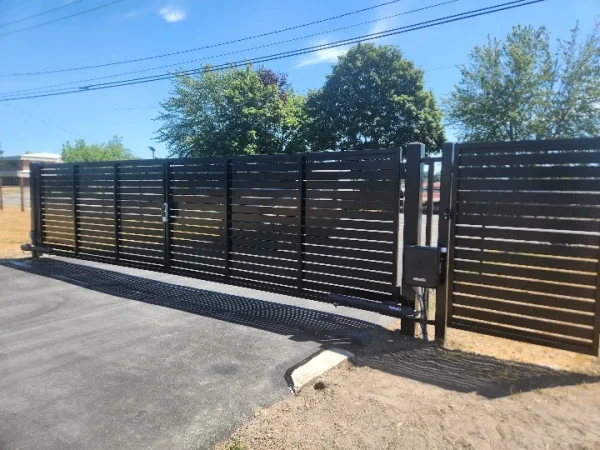
In commercial and multi-tenant properties, pedestrian gates often integrate with access control systems such as keypads, card readers, intercoms, and smartphone platforms. Controlled pedestrian entry enhances perimeter security, while vehicle traffic is managed through automated commercial gate systems.
 
When coordinated with perimeter fencing, pedestrian gates serve as both structural and operational components of the overall access plan.

Manual vs Automatic Pedestrian Gates

Manual Pedestrian Swing Gates

Manual pedestrian swing gates are suitable for moderate traffic where credential tracking is not required. They are commonly used for backyard access, side entries, pool enclosures, and small commercial walkways.
 
Material selection depends on exposure and function. Aluminum is ideal for coastal environments due to its corrosion resistance. Steel and wrought iron provide strength but need protective finishes in salt-air regions. Wood gates, often used for privacy, must be sealed and supported to prevent moisture-related distortion.
 
Proper post depth and hinge capacity are essential in Florida’s soil conditions. Most long-term alignment issues result from inadequate reinforcement during installation, not material failure.

Automatic Pedestrian Gates

Automatic pedestrian gates are used when electronic entry control is required. These systems may include electric strikes or magnetic locks integrated with credential verification platforms.
 
They are common in office complexes, gated communities, schools, and industrial facilities where access accountability is needed. In high-traffic environments, hardware should meet commercial cycle ratings. Using residential-grade components in commercial settings often leads to premature wear and frequent service calls.

Material and Structural Considerations in Florida

Environmental exposure greatly affects pedestrian gate performance.
 
Aluminum gates perform reliably in coastal areas due to their corrosion resistance. Steel and wrought iron are durable but require protective coatings and regular inspection in high-salt environments. Wooden gates must be sealed and reinforced to prevent warping from humidity.
 
Wind exposure affects swing clearance and latch alignment. Proper drainage around posts prevents soil erosion and structural shifting. When a driveway gate includes a pedestrian door, both sections must operate independently to avoid transferring structural stress.
 
Careful structural planning during installation reduces future gate repair needs and minimizes long-term alignment issues.

Cost Factors for Pedestrian Gate Installation

Pedestrian gate installation costs depend on structural complexity and operational needs.
Primary cost drivers include:
  • Gate material and frame construction.
  • Manual versus automatic operation.
  • Locking system type, including magnetic locks.
  • Integration with credential systems.
  • Soil conditions and required footing depth.
  • Coastal corrosion exposure.
  • Permit or inspection requirements.
 
A basic manual pedestrian gate is very different from a reinforced security gate integrated into a full access management system.
 
An on-site evaluation helps us assess site conditions, traffic expectations, and integration needs before recommending a specific solution.

Common Pedestrian Gate Problems in Florida

Recurring problems are typically structural or environmental, not cosmetic.
 
Unstable soil can cause post movement and misalignment. Hinge corrosion in coastal areas worsens if materials are not properly selected. Latch misalignment often results from insufficient footing depth. Magnetic lock failures may occur without adequate moisture protection. In commercial settings, gates not rated for high pedestrian traffic may sag over time.
 
Routine inspections as part of automatic gate maintenance programs help identify early signs of structural stress before extensive repairs are needed.

Repair vs Replacement

Repair is appropriate when hinges, locking hardware, or access devices fail, but the structural frame remains intact. Upgrading hardware or modernizing access components can extend service life if the original installation was properly engineered.
 
Replacement is more practical when the underlying structure is compromised. Posts installed without sufficient depth, corrosion that weakens the frame, or gates undersized for current traffic rarely benefit from repeated adjustments. In commercial environments, outdated locking systems that cannot integrate with modern access platforms may also require full replacement.
 
A structural evaluation will determine the most practical solution.

Plan Your Pedestrian Gate Installation

f you are planning a pedestrian gate installation in Florida, proper material selection, hardware specification, and structural planning are essential for long-term performance.
 
Schedule an on-site evaluation with Sunny Automatic Gates FL to design a pedestrian gate system that aligns with your fencing, automation, and overall property access strategy. A properly engineered installation reduces recurring repairs and ensures reliable operation in Florida conditions.

Call Now!

(786) 780-2880

Get Your Free Quote

No Obligation Consultation

Pedestrian Gate Installation FAQs

What is a pedestrian gate?

A pedestrian gate is a walk-through access gate designed specifically for foot traffic. It is typically installed within a fence line or next to a vehicle gate to control entry without opening the main driveway gate. In Florida, pedestrian gates are commonly integrated with access control systems to manage residential and commercial entry points.
A pedestrian gate is designed for foot traffic, while a vehicle gate is engineered for cars, trucks, and heavier loads. Vehicle gates require larger spans, reinforced framing, and automation rated for higher weight. Pedestrian gates focus on controlled walk-through access and often integrate with keypads, card readers, or magnetic locks rather than vehicle operators.
The cost of pedestrian gate installation in Florida depends on material, size, manual or automatic operation, locking hardware, and site conditions. A basic manual aluminum pedestrian gate will cost less than a commercial-grade pedestrian security gate integrated with access control. Soil stability, coastal exposure, and permit requirements also influence total installation cost.
Most pedestrian gates are between 36 and 48 inches wide, allowing comfortable walk-through access while maintaining structural stability. Commercial or ADA-compliant applications may require wider openings. The final size depends on property layout, local code requirements, and expected pedestrian traffic.
Pedestrian gates generally fall into two main categories: manual swing gates and automatic pedestrian gates. Manual gates are suitable for moderate traffic and simple access needs. Automatic gates include electric strikes or magnetic locks and integrate with access control systems for credential-based entry. High-security configurations may include reinforced frames and monitored locking hardware.
A walk gate is another term for a pedestrian gate. It refers to a smaller gate within a fence or next to a driveway gate that allows people to enter without opening the main vehicle gate. Walk gates are commonly used in residential yards, gated communities, and commercial properties throughout Florida.
Pedestrian gates can increase property value when they improve security, access control, and overall perimeter organization. In residential properties, they enhance safety and curb appeal. In commercial settings, controlled pedestrian access improves accountability and site management, which can positively influence property value and tenant appeal.

Reach Out to Us