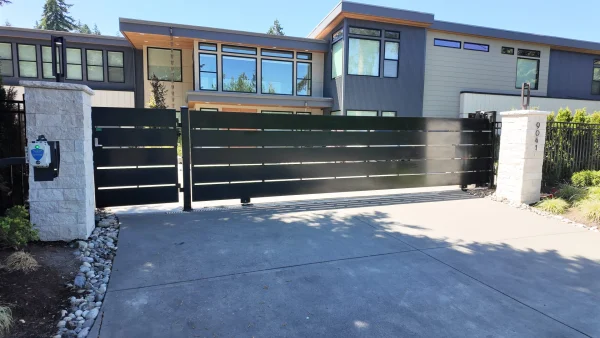
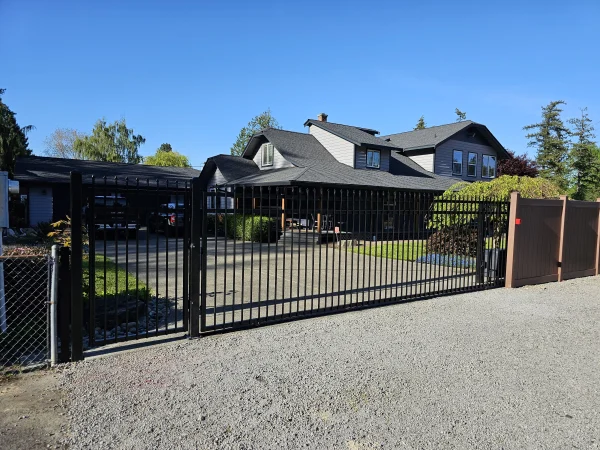
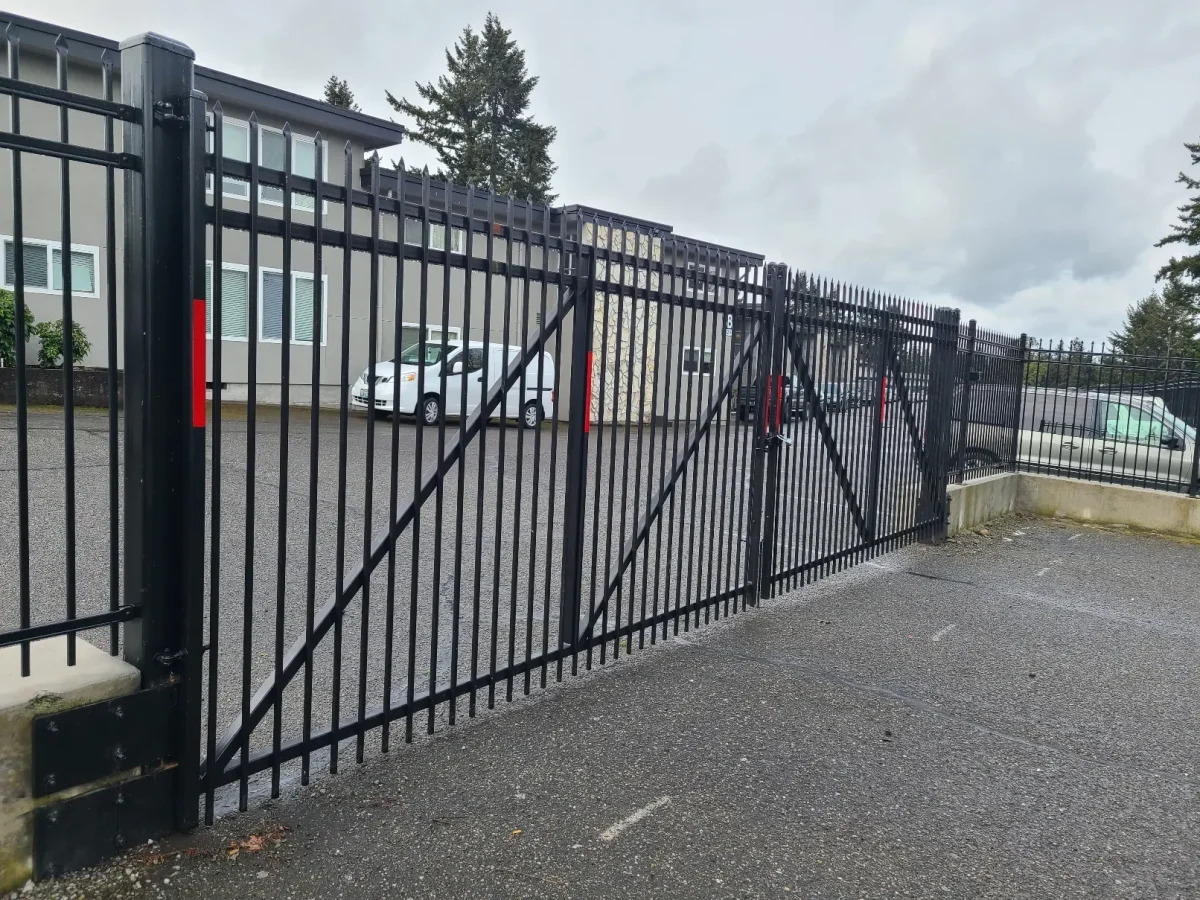
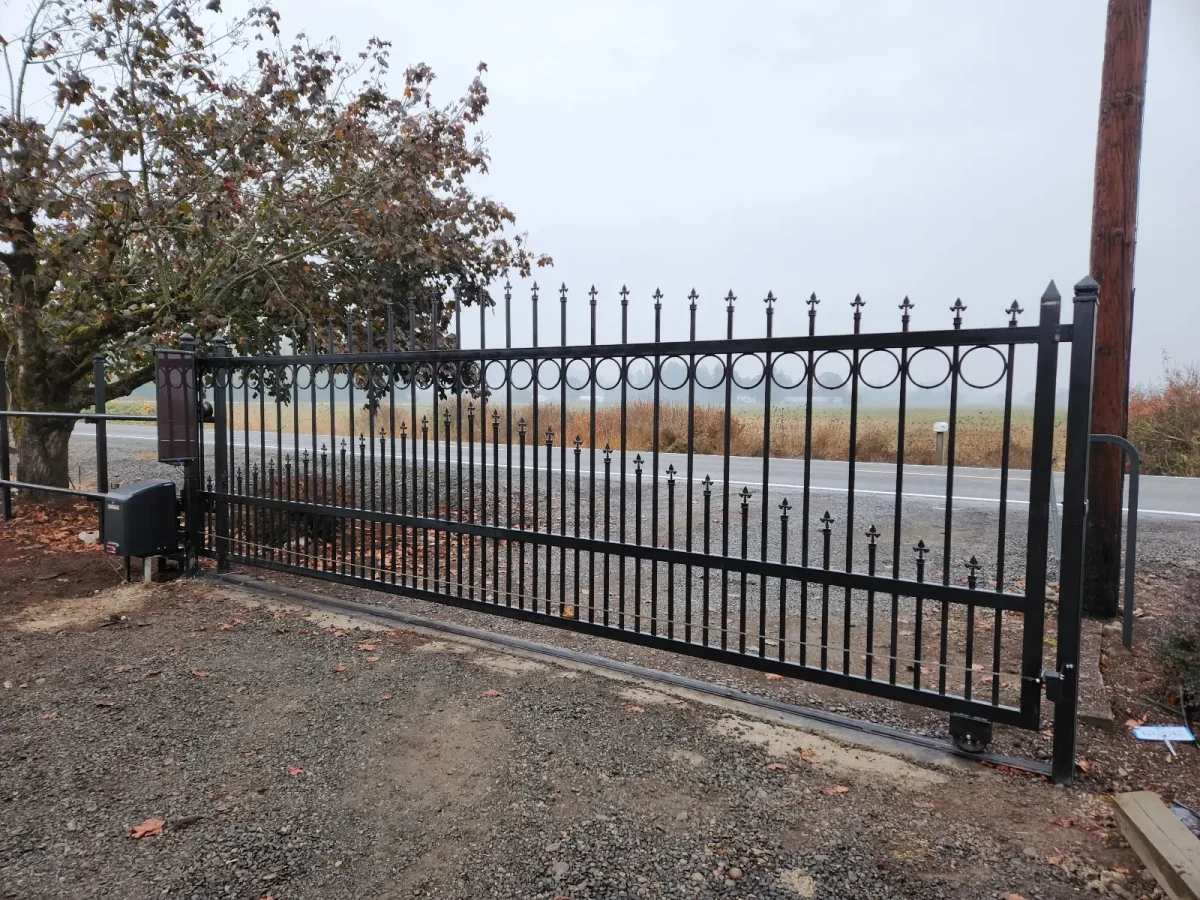
Metal gates provide Florida properties with durable, secure, and visually appealing entry solutions. At Sunny Automatic Gates FL, we design, fabricate, and install custom metal gates for homes, businesses, HOAs, and managed properties throughout Florida. Our offerings include metal driveway gates, pedestrian gates, fence gates, privacy gates, and automation-ready entry systems.
A well-built metal gate does more than close off an opening. It has to match the property layout, hold up under daily use, and perform reliably in Florida conditions. Heat, humidity, rain, wind, and coastal salt exposure all affect how a gate should be framed, finished, mounted, and automated. Our team builds metal gates around real site conditions so they look right, operate smoothly, and stay serviceable over time.
Whether securing a private driveway, enhancing a business entrance, or upgrading a property’s perimeter, our metal gates deliver unmatched durability and visual appeal through professional automatic gate installation.
Custom Metal Gates Built for Strength, Security, and Long-Term Performance
A metal gate should fit the property visually, but it also needs to open properly, stay aligned, and handle the traffic level it was built for. We design custom metal gates to fit the driveway width, gate height, structural support, wind exposure, finish requirements, and access needs, so the final system works as well as it looks.
Our metal gate projects commonly include:
Metal driveway gates
Metal fence gates
Pedestrian and walkway gates
Decorative metal gates
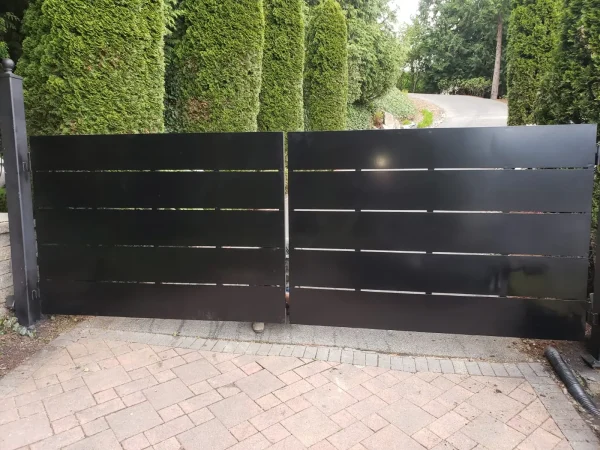
Privacy metal gates
Security gates
Sliding metal gates
Swing metal gates
Cantilever gate systems
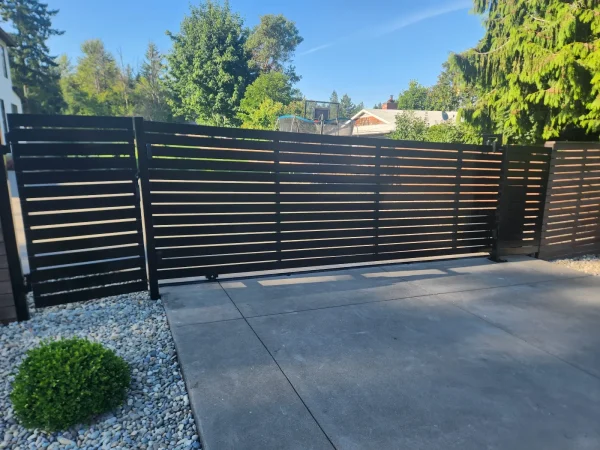
Metal and wood gate combinations
For many Florida properties, the ideal gate solution depends on factors beyond appearance. Gate weight, opening width, automation plans, corrosion exposure, and expected usage all determine the most suitable design.
Types of Metal Gates We Install
Metal Driveway Gates
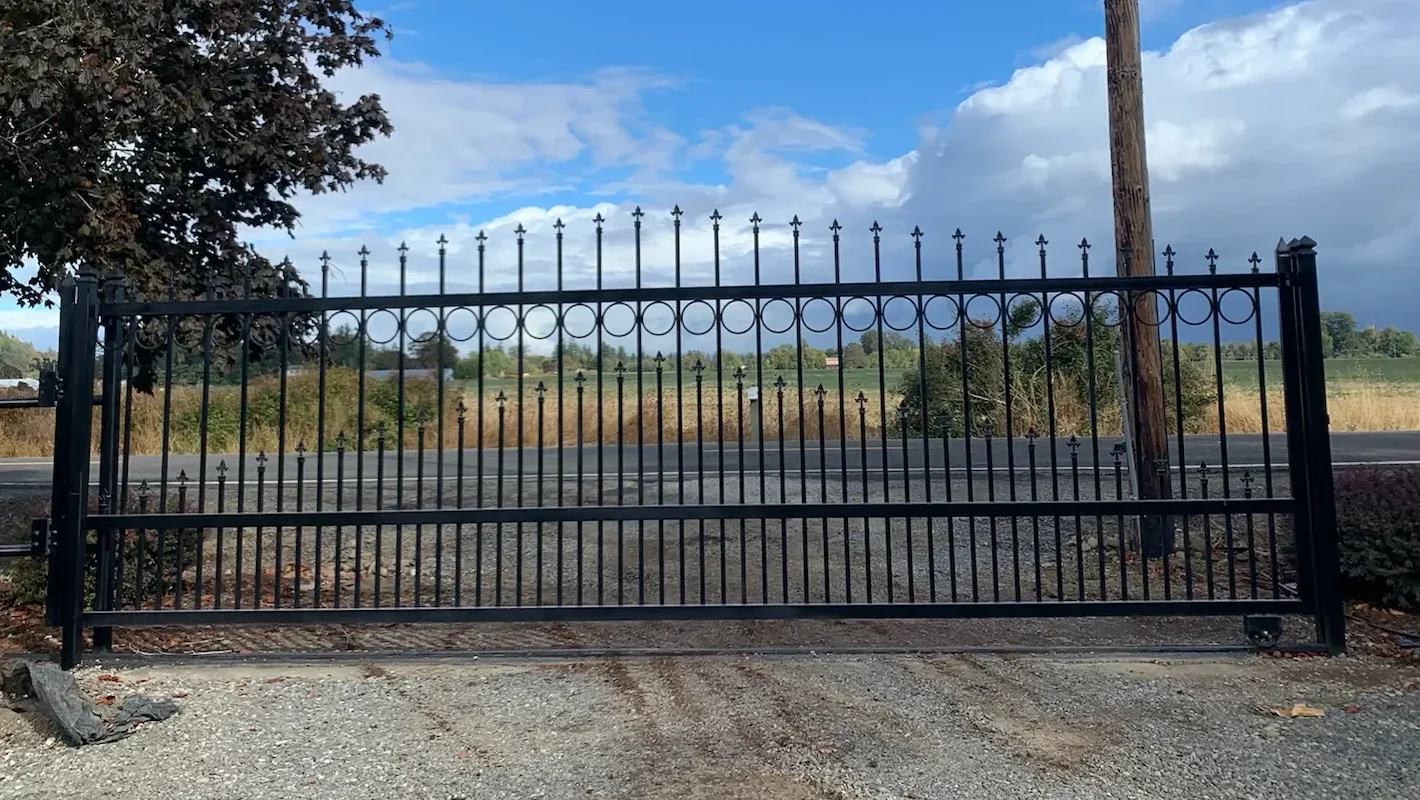
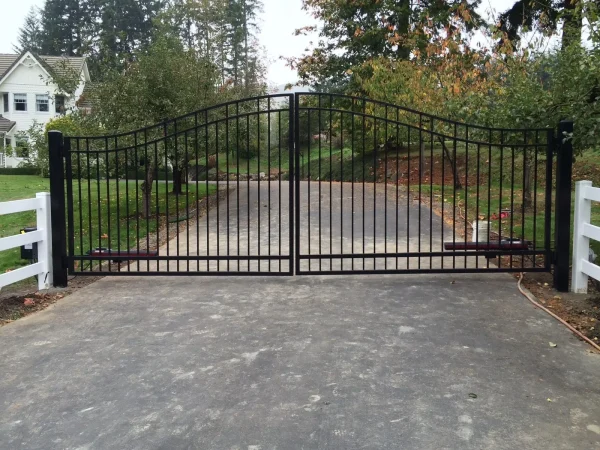
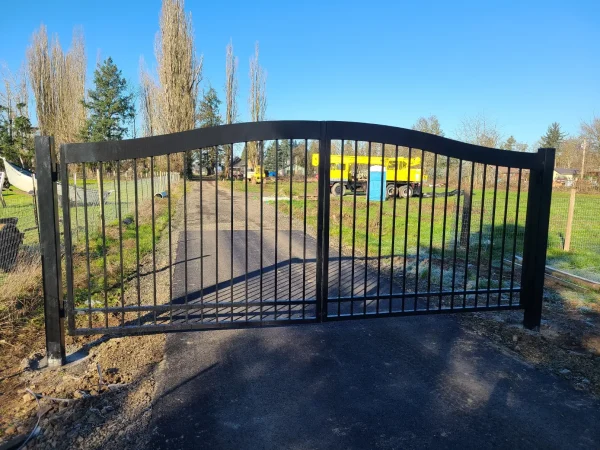
A metal driveway gate creates a strong first impression while helping control vehicle access. These gates are available in single-swing, double-swing, sliding, and cantilever configurations, depending on the driveway layout, available space, slope, and traffic pattern.
For larger entrances, we assess frame size, gate weight, hinge load, wheel or track requirements, operator compatibility, and wind exposure before recommending a design. This approach prevents issues such as dragging, sagging, and early automation failure.
Metal Fence Gates
Many customers require metal fence gates that match existing fences or complete new perimeters. We construct gates for side yards, backyard access, pool areas, commercial perimeters, and controlled entry points, focusing on structural fit, hardware strength, and seamless visual integration.
Pedestrian and Garden Gates
Enhance security and style in smaller areas with garden or pedestrian gates. These metal gates are well-suited for walkways, side entries, courtyards, and other defined outdoor spaces. For optimal performance, use durable posts, secure latch hardware, and weather-resistant finishes.
Security Gates
Security-focused metal gates are designed for strict access control and heavy-duty use. They are commonly installed at commercial facilities, warehouses, service yards, private communities, and restricted-access properties where durability and controlled entry matter more than decorative detailing.
Choosing the Right Metal for Your Gate
A common question among buyers is which metal best suits their property. Aluminum is often preferred for its low maintenance and corrosion resistance, while steel and iron are selected for strength, structural integrity, and traditional or ornamental styles.
Aluminum Gates
Aluminum is an excellent choice for many Florida properties due to its lightweight, corrosion resistance, and ease of maintenance in humid or coastal environments. It is especially suitable for residential driveway gates, pedestrian gates, and decorative entry systems where low maintenance is important.
Steel Gates
Steel gates are ideal when structural rigidity and security are priorities. They are commonly used for commercial gates, large driveway gates, and heavy-duty entry systems. Proper coatings and finish protection are necessary, particularly in coastal and high-moisture environments.
Wrought Iron and Ornamental Iron Style Gates
Wrought iron and ornamental-style gates are popular for estate entrances, decorative front entries, and traditional architectural styles. They provide a classic look and strong visual presence but require proper finishing and maintenance to minimize corrosion risk. Custom iron and aluminum fabrication is also widely offered in Florida.
Metal and Wood Gates
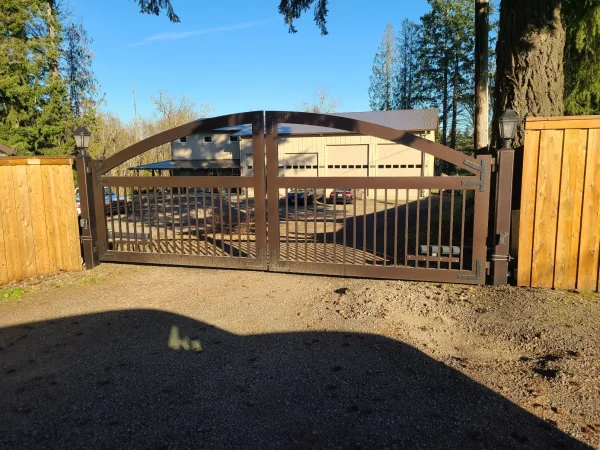
Some properties benefit from mixed-material designs that combine a metal frame with wood infill. This approach offers greater structural support than all-wood gates while providing a warmer, custom appearance.
Gate Styles and Opening Methods
There is significant interest in both gate-opening methods and materials. Common types include swing gates, sliding gates, cantilever gates, bi-fold systems, and barrier arms, selected based on site and use case.
Swing Metal Gates
Swing gates are a classic choice for residential and estate entrances. They are most effective where there is sufficient clearance for safe opening and where the driveway slope permits smooth operation.
Sliding Metal Gates
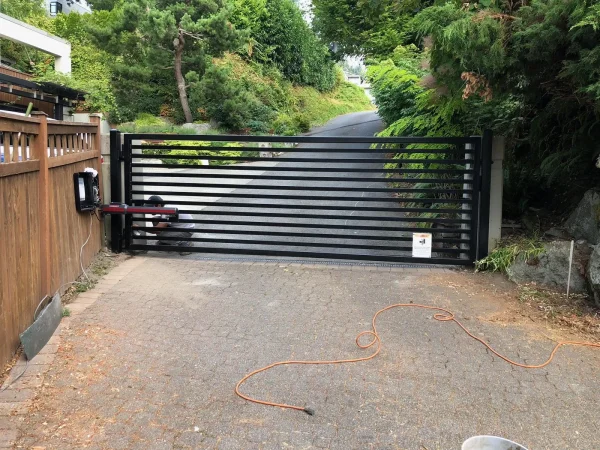
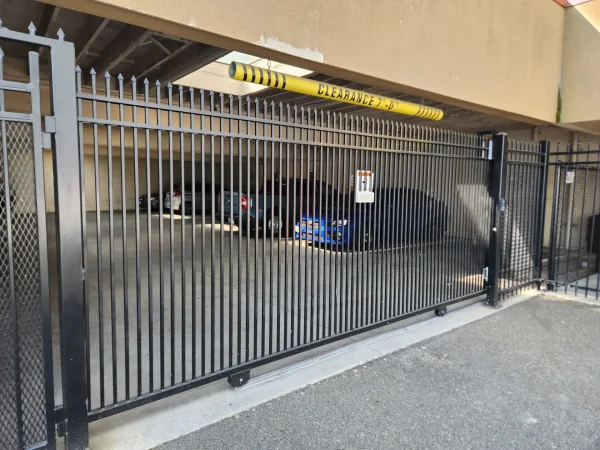
Sliding gates are preferable when side space is available and driveway space is limited. They are especially useful where swing gates would interfere with parking, slope, or traffic flow.
Cantilever Gates
Cantilever gates slide across the opening without a ground track. They are well-suited for uneven surfaces, debris-prone areas, or commercial properties where a trackless system is more practical.
Barrier and Traffic Control Gates
For parking areas, commercial access points, and managed entries, barrier-style systems are appropriate where speed and frequent vehicle control are more important than perimeter enclosure.
Why Property Owners Choose Metal Gates
Metal gates are a practical choice due to their durability, customization options, and security. Property owners often select metal gates for their permanence, security, and adaptability to the property’s character.
Common reasons customers choose metal gates include:
Better security and controlled access
Stronger structural performance for larger openings
Decorative or modern design flexibility
A long service life with the right finish system
Compatibility with automation and access control
Better durability than many lighter or less rigid alternatives
For homes, metal driveway gates enhance privacy, access control, and curb appeal. For commercial properties and HOAs, they support consistent entry management with hardware and automation designed for frequent use.
Can Metal Gates Be Automated?
Many metal gates are well-suited for automation, provided the opener matches the gate and property. Gate type, weight, frame design, hinge condition, track design, wind exposure, and daily usage all influence automated system performance.
When customers want an automatic metal gate, we evaluate:
Gate size and estimated weight
Swing, sliding, or cantilever configuration
Post or support structure strength
Required operator type
Safety device placement
Access control needs
Daily usage level
Coastal exposure and finish protection needs
If automation is required, we design the gate and operating system together from the outset, avoiding the need to retrofit an unsuitable operator later.
Metal Gates for Residential and Commercial Properties
Residential properties typically prioritize appearance, privacy, and reliable daily operation. Homeowners often seek gates that complement the home’s style, support remote or phone access, and add visible value.
Commercial and managed properties often require higher duty cycles, durable hardware, effective vehicle access planning, and access control systems for employees, tenants, visitors, vendors, and deliveries. In these settings, serviceability is as important as appearance.
That is why we match gate design, frame construction, operator type, and access method to the property’s actual usage, not just its visual appeal.
Metal Gate Maintenance and Upgrade Planning
Metal gates still require maintenance, even when built from corrosion-resistant materials. The service needs depend on the material, finish, operating hardware, and exposure level.
Routine upkeep includes finish inspection, hardware tightening, hinge checks, wheel or track service, operator adjustments, corrosion control, and access control testing. In Florida, this is especially important for coastal properties and high-use gates. Property owners decide when a metal gate needs a simple repair, a hardware or automation upgrade, or a full replacement.
Get a Custom Metal Gate in Florida
If you are planning a metal gate in Florida, prioritize selecting the right material and gate type before considering decorative details. A gate should be visually appealing, fit the opening, withstand environmental conditions, and perform reliably over time.
Sunny Automatic Gates FL designs and installs custom metal gates, fence gates, driveway gates, security gates, and automation-ready entry systems throughout Florida. Whether you need a new residential driveway gate, a secure commercial entrance, or a custom gate with access control, our team will help you plan the right solution.
Contact Sunny Automatic Gates FL today or request a quote online to discuss your metal gate project.
Metal gates are available in several types depending on material, opening style, and design. Common materials include wrought iron, steel, and aluminum. Gates can operate as swing gates, sliding gates, cantilever gates, or bi-fold systems. Design styles range from decorative ornamental gates to modern minimalist and privacy gates used for residential or commercial properties.
What is the best metal for a driveway gate?
The best metal for a driveway gate depends on the environment and desired maintenance level. Aluminum gates are popular in Florida because they resist rust and require minimal upkeep. Steel gates offer the highest strength for heavy-duty security applications, while wrought iron gates provide a classic decorative appearance with strong durability when properly coated.
Are metal gates better than wooden gates?
Metal gates generally provide greater durability, security, and longevity than wood gates. Steel, aluminum, and wrought iron resist warping, insects, and structural decay. Wooden gates offer a natural appearance but typically require more maintenance. Many property owners choose metal gates because they provide stronger security and can last decades with proper coatings.
Can metal gates be automated?
Yes. Most metal gates can be automated using electric gate openers and access control systems. Automation allows gates to open using remotes, keypads, intercom systems, smartphone apps, or vehicle sensors. Automated metal gates are commonly installed on residential driveways, commercial properties, gated communities, and parking facilities.
How long do metal gates last?
A properly installed metal gate can last 20 to 40 years or more depending on the material and maintenance. Aluminum gates often last the longest because they do not rust. Steel and wrought iron gates are extremely durable but require protective coatings and occasional maintenance to prevent corrosion.
How much maintenance do metal gates require?
Metal gates require relatively low maintenance compared to wood. Basic maintenance includes cleaning the surface, inspecting hinges or rollers, lubricating moving parts, and checking protective coatings. Gates with automation systems may also need periodic servicing of motors, sensors, and control boards to maintain smooth operation.
How do I choose the right metal gate for my property?
Choosing the right metal gate involves evaluating security needs, available space, gate style, and automation requirements. Swing gates work best for wide entrances, while sliding or cantilever gates are ideal for tight spaces or sloped driveways. Material selection should also consider local climate conditions, especially humidity and coastal exposure.